Sustainable Finance Frameworks
Using finance solutions such as Payments for Ecosystem Services (PES) to reward traditional and responsible practices, such as native rubber tapping in the Amazon.




_1.png?width=287&height=199&name=CFA%20update%20(no%20bars)_1.png)


In partnership with ISA and Rede Xingu+, Conservation Strategy Fund (CSF) Brazil developed a general cost model based on historical and hypothetical data that is able to predict budget levels for different management activities of about 20 Indigenous Lands located in the Xingu River region.
The cost model predicts values for improvements in eight strategic areas included in the majority of the PGTAs in the region: governance; inspection and protection; cultural strengthening; income generation; food sovereignty; infrastructure (energy, communication and transport); education; health and sanitation. In addition to presenting the costs involved in achieving these improvements, our results show how much, according to these priority areas, the PGTAs are already implemented – varying by degrees from “not implemented” to “well implemented”.
We builded a website to host the cost model with explanatory visual elements which facilitate access to and use of the cost model by all stakeholders. This online “calculator” of the values of these eight strategic areas is similar to CSF’s Mining Impacts Calculator, and is able to be used by NGOs and Indigenous organizations as an important resource for raising funds for native communities, but also as a tool for monitoring the implementation of its management goals.
According to André Villas Bôas (ISA/Rede Xingu +):
Xingu's protected areas are a valuable socio-environmental heritage and are increasingly under threat. Managing these areas is complex, and this calculator is the first tool to present the real minimum costs for their protection.
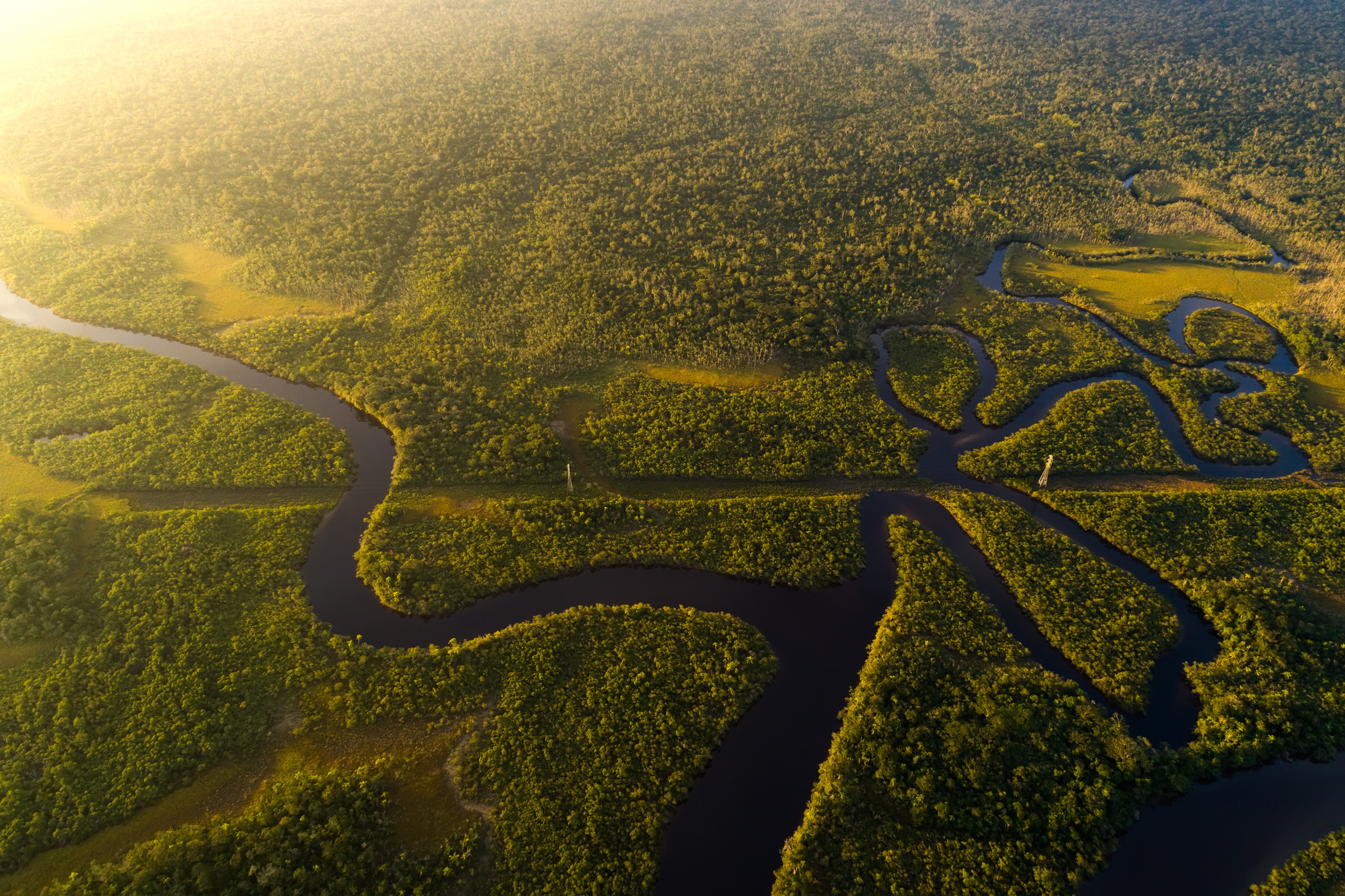
We found that the amount of money flowing into destroying forests was 8x larger in Brazil and 14x larger in Indonesia than what was going in to protecting them.
With the International Crane Foundation and the Conservation Finance Alliance

With Centro Científico Tropical